
Targeted Fat Reduction Using Sound Wave Technology
Ultrasound Cavitation in Mena for clients with stubborn fat deposits that resist diet and exercise efforts
Fat cells in areas like the lower abdomen, flanks, and thighs often persist despite calorie deficits and regular activity, because the body stores triglycerides unevenly based on genetics and hormone levels. Ultrasound cavitation uses low-frequency sound waves to create pressure changes inside fat cells, rupturing their membranes and releasing stored lipids into the interstitial fluid where the lymphatic system processes them. This non-surgical approach reduces localized fat without affecting surrounding muscle, skin, or connective tissue, which remain unaffected by the specific frequency range used during treatment.
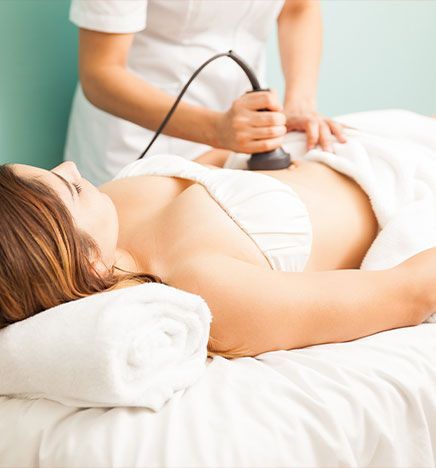
Mo Ink Tattoo Studio applies ultrasound cavitation by moving a handheld transducer over marked treatment zones, delivering energy that penetrates one to two centimeters below the skin's surface. The disrupted fat cells are metabolized by the liver over the following weeks, with the body eliminating waste products through natural detoxification pathways. Clients in Mena typically schedule sessions one to two weeks apart to allow time for fat clearance and avoid overwhelming the lymphatic system.
Book a session to discuss which body areas respond best to ultrasound cavitation based on fat distribution and tissue density.
Cavitation works by generating alternating high and low pressure waves that create microbubbles inside fat cells, which expand and collapse rapidly until the cell membrane ruptures. The frequency range—typically between 30 and 40 kilohertz—selectively targets adipose tissue because fat cells have different acoustic properties than muscle or blood vessels. You may hear a buzzing sound and feel warmth during the session as energy passes through tissue, both normal indicators that the treatment is reaching the correct depth.
Once the session completes, you will notice the treated area may feel tender or look slightly swollen as your body begins clearing the released fat content. Over the next four to six weeks, your liver processes the triglycerides and eliminates them through urine and sweat, gradually reducing volume in the treated zone. Drinking water after sessions supports lymphatic drainage and helps prevent the reabsorption of released fat into surrounding tissue, which can diminish results.
Ultrasound cavitation produces best results on areas with pinchable fat layers at least one inch thick, since thinner deposits do not provide enough tissue mass for effective disruption. The treatment does not replace weight loss or address visceral fat around internal organs, focusing instead on subcutaneous deposits that change body contour. Combining cavitation with radio frequency skin tightening addresses both fat reduction and skin firmness, preventing loose tissue that can remain after volume decreases.
What Property Owners Usually Ask
Clients considering ultrasound cavitation often have questions about how the treatment works and what to expect during the process.
What happens to the fat after ultrasound cavitation breaks it down?
The ruptured fat cells release triglycerides into the interstitial fluid, which your lymphatic system collects and transports to the liver. Your body then metabolizes the fat and eliminates it through natural waste pathways over several weeks.What happens to the fat after ultrasound cavitation breaks it down?
How many sessions will I need to see results?
Most clients complete six to eight sessions spaced one to two weeks apart to allow the body time to process disrupted fat. Results become noticeable after the first few sessions, with continued improvement as the series progresses.How many sessions will I need to see results?
Why does cavitation work better on some body areas than others?
Areas with thicker subcutaneous fat layers—like the abdomen, thighs, and flanks—respond better because there is more tissue for the ultrasound waves to affect. Thinner areas like the arms or calves have less fat mass, which limits the treatment's ability to produce visible contour changes.Why does cavitation work better on some body areas than others?
What should I do after a cavitation session to support fat elimination?
Drinking plenty of water helps your lymphatic system clear the released fat, and light exercise like walking encourages circulation. Clients in Mena should avoid heavy meals immediately after treatment to allow the body to prioritize fat metabolism.What should I do after a cavitation session to support fat elimination?
How does ultrasound cavitation differ from liposuction?
Cavitation is non-invasive and requires no anesthesia, incisions, or downtime, making it suitable for clients who want gradual fat reduction without surgery. Liposuction removes larger fat volumes in a single procedure but involves more risk, recovery time, and cost.How does ultrasound cavitation differ from liposuction?
Mo Ink Tattoo Studio offers ultrasound cavitation treatments in Mena with session plans tailored to your body contouring goals and the specific areas you want to refine.