Skin Improvement Through Targeted Pigmentation
Paramedical Scarification in Mena for surgical scars, injury scars, and stretch marks
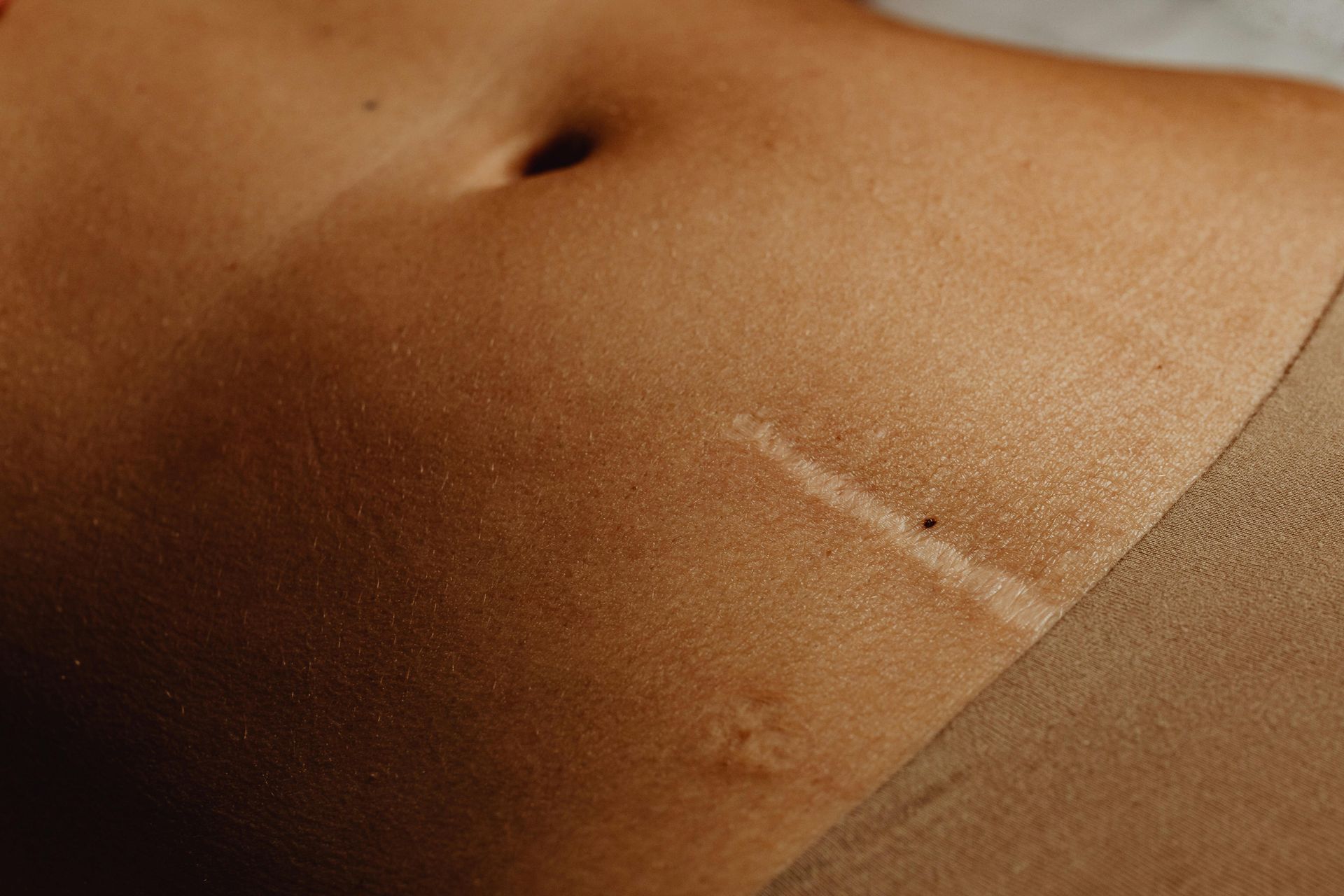
Surgical scars, injury marks, and stretch marks often remain visible long after the underlying injury has healed, affecting how you feel about your skin's appearance. Paramedical scarification uses advanced tattooing techniques to blend scar tissue with surrounding skin tone, reducing visual contrast and improving overall texture appearance. Mo Ink Tattoo Studio customizes each treatment plan based on scar type, skin tone, and the age and condition of the scarred tissue you want addressed.
The treatment involves applying pigment that matches your natural skin tone directly into scar tissue, breaking up the color difference that makes scars stand out. Multiple sessions are typically needed depending on scar severity, with gradual improvement visible as pigment settles and blends with the surrounding area.
Arrange a consultation for scar evaluation and to discuss which treatment approach fits your skin's current condition and your cosmetic goals.
Treatment begins with assessing the scar's texture, color, and depth to determine pigment selection and application technique. Sterile procedures and careful attention to client comfort are maintained during each session, as scar tissue responds differently than intact skin and requires adjusted pressure and pigment density.
Once treatment progresses, the scar tissue appears closer in tone to the skin around it, reducing the sharp contrast that draws the eye. Stretch marks take on a more uniform color, and surgical scars blend more naturally into the surrounding tissue, making them less immediately noticeable under normal lighting.
Results develop over weeks as the pigment integrates, and follow-up sessions allow for adjustments based on how your specific skin responds. Older scars and darker skin tones may require additional sessions to achieve the desired level of blending.
Common Questions About This Service
Clients considering scar treatment often want to understand how the process works and what kind of improvement is realistic for their specific skin concerns.
What types of scars respond well to this treatment? Surgical scars, C-section scars, injury scars, burn scars, and stretch marks are commonly addressed. Raised or keloid scars may require different approaches and are evaluated during consultation to determine suitability.
How many sessions does scar improvement typically require? Most clients see gradual improvement over two to four sessions spaced several weeks apart. Severity, scar age, and individual healing response all affect the number of treatments needed for satisfactory blending.
Why does pigment need to be applied multiple times? Scar tissue absorbs and holds pigment differently than healthy skin, often requiring layered application to build color density. Each session adds depth and adjusts tone as the treated area heals and settles between appointments.
What should I look for when evaluating scar treatment options? Professional sterile procedures, customized pigment matching, and realistic expectations about gradual improvement are key. Practitioners should assess your specific scar type and skin tone before recommending a treatment plan.
When is the best time to treat a scar? Scars should be fully healed and no longer actively changing before pigmentation begins, typically at least six months to a year post-injury or surgery. Treating scars too early can interfere with natural healing and pigment retention.
Mo Ink Tattoo Studio positions this service as a confidence-building solution for clients who want cosmetic skin improvement without invasive procedures. Schedule a consultation to have your scar evaluated and receive personalized treatment recommendations based on your skin's specific characteristics.