Body Piercing Done with Sterile Technique
Piercings in Mena for clients who need professional placement and consistent aftercare guidance
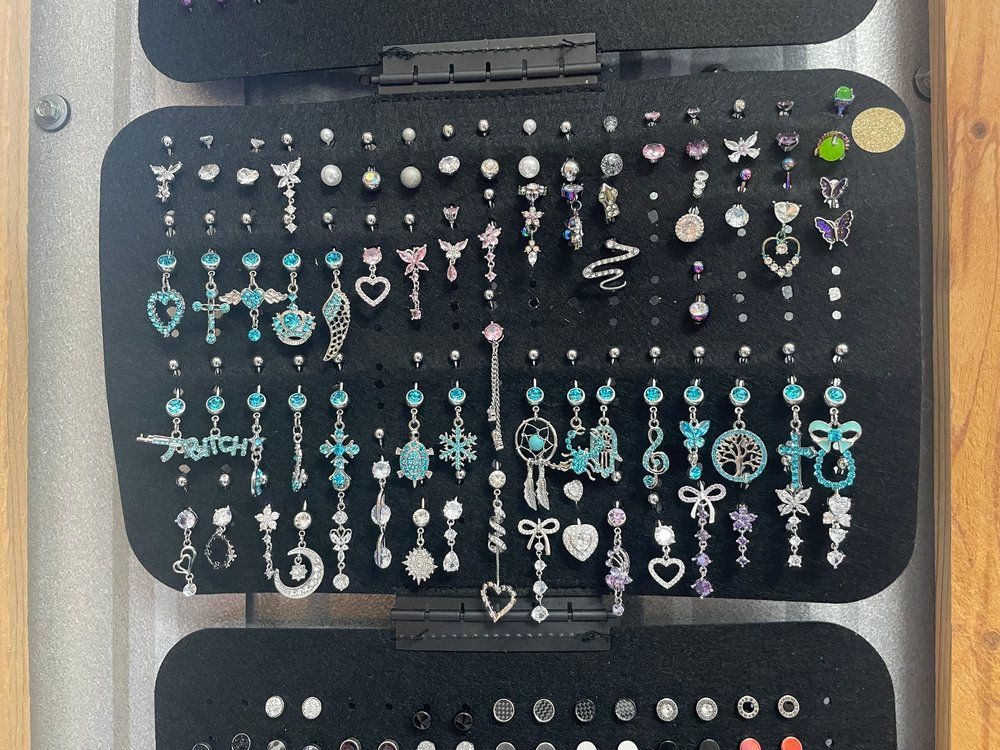
Walk into Mo Ink Tattoo Studio and you will find body piercing services that prioritize sterile equipment, single-use needles, and jewelry made from implant-grade materials. Piercings performed with proper technique reduce the risk of infection, migration, and prolonged healing times that result from improper angle or jewelry sizing. Each piercing is marked, confirmed with the client, and completed using tools sterilized in an autoclave to meet safety standards.
The process begins with cleaning the area, marking the entry and exit points, and selecting jewelry that matches both anatomy and healing requirements. Hollow needles create clean channels with minimal tissue damage compared to piercing guns, which compress tissue and increase scarring risk. High-quality jewelry—typically titanium or surgical steel—prevents allergic reactions and supports faster healing, especially in cartilage piercings that take months to fully settle.
Schedule a walk-in or appointment to discuss jewelry options and aftercare instructions specific to your piercing type.
Piercing success depends on using jewelry that does not irritate tissue during the months-long healing phase and placing the needle at a depth that prevents rejection or embedding. Implant-grade titanium resists corrosion from body fluids and does not leach nickel, which causes reactions in many clients. You will notice that cheaper jewelry often causes redness, swelling, or discharge even when the piercing technique itself was correct, because low-grade metals trigger immune responses that delay healing.
Once the piercing is complete, the area will feel tender for several days and may show slight swelling, which is normal as the body begins tissue repair. Proper aftercare—cleaning with saline solution twice daily and avoiding unnecessary touching—prevents bacteria from entering the wound while the skin regenerates around the jewelry. Clients in Mena receive printed aftercare instructions that specify cleaning frequency, signs of infection to watch for, and when to return for jewelry downsizing or checkups.
Different body areas heal at different rates, with earlobes typically settling in six to eight weeks while cartilage piercings can take six months or longer. Sleeping position, hair products, and clothing friction all affect healing speed, so placement choice should account for your daily habits. Piercings performed too shallow may migrate forward over time, while those placed too deep can embed into tissue, requiring removal and repiercing once the area heals.
Answers to Frequent Piercing Questions
Clients often ask these questions when deciding whether to proceed with a piercing or how to care for one they already have.
What types of piercings can I get at the studio?
The studio offers a range of piercings including earlobe, cartilage, nostril, septum, lip, eyebrow, and navel placements. Each piercing type requires specific jewelry sizing and aftercare protocols based on tissue thickness and healing conditions.What types of piercings can I get at the studio?
How do I know if my piercing is infected?
Signs of infection include persistent redness, yellow or green discharge, increasing pain after the first few days, and heat around the site. Normal healing involves clear or slightly cloudy discharge and gradual reduction in tenderness over the first week.How do I know if my piercing is infected?
When can I change my jewelry?
You should wait until the piercing is fully healed before changing jewelry, which ranges from six weeks for earlobes to six months for cartilage. Changing jewelry too early disrupts the healing channel and can introduce bacteria or cause tearing.When can I change my jewelry?
Why does piercing technique matter more than the jewelry I choose?
Poor technique can angle the piercing incorrectly, place it too shallow or deep, or damage surrounding tissue, all of which increase rejection risk regardless of jewelry quality. In Mena, clients benefit from working with experienced piercers who understand anatomy and proper needle handling.Why does piercing technique matter more than the jewelry I choose?
What should I avoid during the healing period?
You should avoid submerging the piercing in pools, hot tubs, or lakes, and refrain from using alcohol-based cleaners that dry out tissue. Rotating jewelry during cleaning is unnecessary and can irritate the healing channel.What should I avoid during the healing period?
Mo Ink Tattoo Studio welcomes walk-ins for piercing services in Mena and provides detailed aftercare support to help you manage the healing process correctly.