Designs Built for Precision and Subtlety
Fine Line Tattoos in Mena for clients who want minimalistic artwork that holds clarity over time.
Mo Ink Tattoo Studio works with clients in Mena who want tattoos that rely on control rather than bold coverage. Fine line tattooing requires steady hand technique and precise needle depth to keep thin lines from blurring as skin ages and stretches. This approach suits small symbols, delicate script, and understated designs that stay legible without heavy shading or color saturation.
The process involves using single-needle or tight groupings to deposit ink in shallow, controlled layers, which produces crisp edges and minimal trauma to surrounding tissue. Fine line work shows imperfections more readily than traditional tattooing, so needle speed, angle consistency, and even pressure matter throughout the session. Clients in Mena typically choose this style for placements like wrists, ribs, or behind the ear where space limits detail but visibility remains high.
Book an appointment to discuss line weight options and placement considerations for your design.
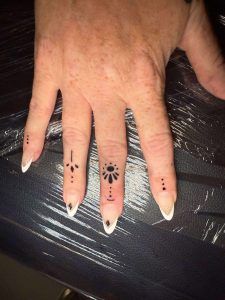
Line thickness, ink saturation, and skin texture all influence how well a fine line tattoo maintains its appearance years after application. Thinner lines fade faster in areas with frequent sun exposure or natural skin movement, which is why experienced artists adjust line weight based on placement. You may notice that lines thicker than a needle's width hold better definition over time, especially on areas like fingers or feet where skin regenerates quickly.
After the session, you will see crisp, dark lines that settle into the skin over the following two weeks as the top layer heals and peels. Proper aftercare—keeping the area moisturized without oversaturating and avoiding direct sun—helps preserve the sharpness of the design. Mo Ink Tattoo Studio provides specific instructions for fine line healing since these tattoos require lighter touch during the recovery phase compared to heavier work.
Fine line tattoos work best on areas with minimal texture variation and lower friction from clothing. Placement on the forearm, collarbone, or shoulder blade typically allows the design to stay intact longer than high-movement areas like hands or ankles. Clients should expect touch-ups after several years if the design includes extremely thin elements, since even well-executed fine lines naturally soften as the body metabolizes and redistributes ink particles beneath the skin.
What Clients Ask Before Booking Fine Line Work
These questions come up frequently when clients are deciding whether fine line tattooing fits their design goals and lifestyle.
What makes fine line tattoos different from regular tattoos?
Fine line tattoos use thinner needles and lighter pressure to create delicate, minimalistic designs that emphasize precision over bold coverage. The technique requires steady control to prevent lines from appearing shaky or uneven.What makes fine line tattoos different from regular tattoos?
How long does a fine line tattoo session take?
Session length depends on design complexity and size, but most small fine line pieces in Mena are completed in one sitting lasting 30 minutes to two hours. Larger or more intricate designs may require multiple sessions to maintain detail quality.How long does a fine line tattoo session take?
Why do some fine line tattoos blur faster than others?
Line thickness, placement, and aftercare all affect longevity. Areas with high sun exposure, frequent friction, or rapid skin turnover—like hands and feet—show fading sooner than protected areas like the upper arm or back.Why do some fine line tattoos blur faster than others?
What should I avoid during healing?
You should avoid soaking the tattoo in water, applying heavy lotions, and exposing it to direct sunlight for at least two weeks. Fine line tattoos heal with less scabbing than traditional work, so overwashing or picking at the area can pull ink out before it sets.What should I avoid during healing?
How do I know if my design will work as a fine line tattoo?
Designs with clear shapes, simple line work, and minimal shading translate well to fine line style. Highly detailed images with intricate textures or gradients may lose clarity when reduced to thin lines, so discussing your concept during the consultation helps determine whether adjustments are needed.
Mo Ink Tattoo Studio in Mena accepts bookings and walk-ins for fine line tattoo consultations, allowing you to review design options and confirm placement before committing to the session